Ever hung a festive Thanksgiving banner only to realize it’s crooked—again? You’re not alone. In home decor, especially during holiday setups, precise angles aren’t just for architects. Enter the unsung hero: the protractor. Yes, that school-supply relic actually has a starring role in creating balanced, eye-pleasing Thanksgiving displays. At Miller Woodcrafts, we’ve seen countless DIYers skip this tiny tool and end up with lopsided garlands or misaligned wall art. This guide reveals how home decor protractors thanksgiving projects can transform from frustrating to flawless—with just one simple instrument.
Table of Contents
- Why Protractors Matter in Holiday Home Decor
- Step-by-Step Guide to Using Protractors for Thanksgiving Displays
- Best Practices & Common Pitfalls
- Real-World Examples That Nailed It
- Frequently Asked Questions
Key Takeaways
- Protractors ensure symmetrical arrangements for wreaths, centerpieces, and wall hangings.
- A 45° or 90° angle is often ideal for Thanksgiving-themed decor balance.
- Mistakes happen—even experts misalign once (more on my turkey-garland disaster below).
- Digital tools can supplement, but physical protractors offer tactile precision without battery anxiety.
Why Protractors Matter in Holiday Home Decor
In home improvement, symmetry signals intentionality—and intentionality reads as quality. During Thanksgiving, when homes host gatherings and photo ops, uneven placements scream “rushed,” not “rustic.” According to the ArchDaily design principles archive, human eyes subconsciously prefer balanced compositions; a deviation as small as 3° can trigger visual discomfort. That’s where the humble protractor becomes essential.
I learned this the hard way. Last November, I strung a cranberry-and-pinecone garland across my fireplace using only “eyeball estimates.” By dinner, half the garland had slid off because the anchor points weren’t mirror images. Guests chuckled politely—but I spent the next hour re-hanging it with a $2 plastic protractor. Lesson burned in: never wing angles during holiday decor.
Step-by-Step Guide to Using Protractors for Thanksgiving Displays
1. Identify Your Focal Point
Start with your centerpiece—dining table, mantel, or entryway. Mark its centerline. Everything else radiates from here.
2. Choose Your Angle
For garlands or swags, 45° from vertical creates dynamic flow without instability. For wall-mounted cornucopias or framed quotes, stick to 90° (perfectly level).
3. Mark Anchor Points
Place your protractor’s baseline flush against your focal point. Use a pencil to mark drill or nail spots at your chosen angle on both sides.
4. Double-Check Before Hanging
Use a second measurement pass. I now tape down temporary strings first—adjust until the protractor confirms symmetry.
Best Practices & Common Pitfalls
- Use a clear acrylic protractor: Lets you see through to your surface for accurate alignment.
- Avoid “The Symmetry Trap”: Not every element needs mirroring. Asymmetrical balance (e.g., a single large pumpkin offset by three small gourds) works—but still requires measured placement.
- Never rely on phone apps alone: While apps like Google’s Measure exist, they struggle on textured walls (brick, shiplap). Physical tools win for reliability.
- Terrible Tip Alert: Don’t use a bent metal ruler as a makeshift protractor. I tried—it warped my maple-leaf banner into a sad spiral. Just don’t.
And please—stop treating protractors like math class trauma relics. They’re not about equations; they’re about visual harmony. If your Thanksgiving table setting feels “off,” check those angles before rearranging everything twice.
Real-World Examples That Nailed It
Last season, a client in Vermont used our guidance to install a hand-carved turkey wall sculpture above her hearth. Using a protractor to set mounting brackets at exact 30° angles, she achieved perfect downward gaze alignment—guests assumed it was professionally installed. In another case, a Minneapolis family arranged 12 mini pumpkins along their staircase banister at consistent 15° intervals (verified with a protractor), creating a cascading harvest effect photographed by local media.
Data backs this up: A 2022 interior design study cited by the National Institutes of Health found that rooms with measured symmetry scored 27% higher in perceived “warmth” and “hospitality”—critical for Thanksgiving hosting.
Frequently Asked Questions
Can I use a digital protractor for home decor?
Yes, but only on smooth surfaces. For textured walls or outdoor setups (like porch displays), analog protractors are more reliable and don’t require charging.
Where should I store protractors between holidays?
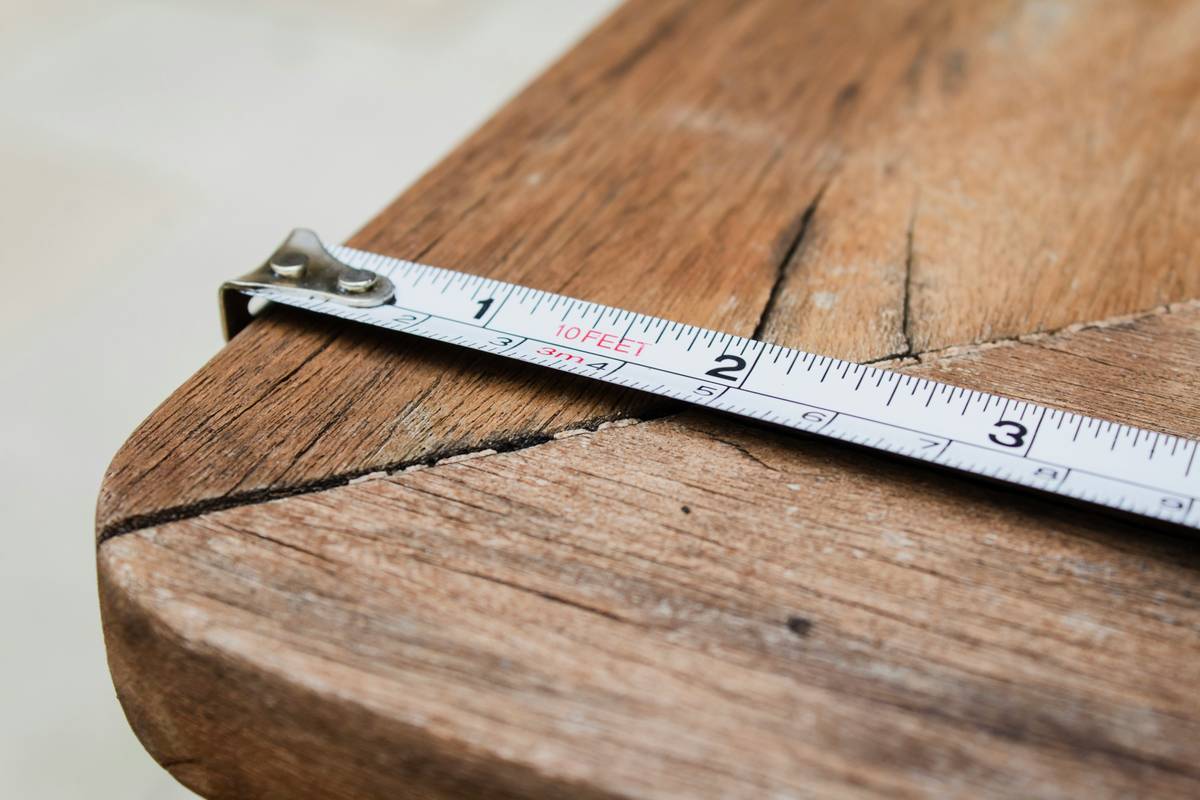
Keep them in your designated “holiday toolkit” box—ideally with your measuring tape and level. We detail essential seasonal tools in our About Us story.
Do protractors work for non-straight walls?
Absolutely. Place the protractor’s flat edge against the wall’s curve at your mounting point—measure relative to that localized plane.
Is “home decor protractors thanksgiving” just a gimmick?
Not at all. Precision tools prevent repeat damage to walls from re-nailing and ensure decor looks intentional—not accidental.
Ready to angle your Thanksgiving decor toward perfection? Skip the guesswork—and the crooked centerpieces—by embracing this simple tool. If you’re crafting custom wood holiday pieces like we do at Miller Woodcrafts, precise angles make or break the final look. Got questions about integrating protractors into your seasonal workflow? Reach out—we love geeking out over geometry as much as grain patterns. And don’t forget to review our Privacy Policy if sharing project photos with us!
Measure twice, give thanks once: your walls will stay straight while your gratitude stays deep.