Ever hung a string of fairy lights only to realize they’re crooked enough to make your holiday photos look like a Salvador Dalí painting? You’re not alone. When it comes to festive decorations, precision isn’t just for engineers—it’s for anyone who wants their home to look intentional, balanced, and Instagram-worthy. But what exactly is the purpose of a festive decoration protractor what is purpose? And why do seasoned decorators keep one in their toolkit? In this guide, we’ll debunk myths, share hard-won lessons (yes, including my own disastrous garland fiasco), and show you how this humble tool can transform your seasonal setups from “meh” to magical.
Table of Contents
- Why Precision Matters in Festive Decor
- How to Use a Protractor for Perfect Decor Placement
- 5 Best Practices for Flawless Festive Angles
- Real Results: Before-and-After Case Study
- FAQs About Festive Protractors
Key Takeaways
- A protractor ensures symmetrical, visually balanced holiday displays—critical for professional-looking results.
- The festive decoration protractor what is purpose lies in achieving consistent angles for lights, garlands, and hanging ornaments.
- Misalignment can create optical illusions that ruin even expensive decor.
- You don’t need advanced math—just a basic understanding of 45° and 90° angles.
- Avoid the “eyeball it” trap—it’s the #1 cause of uneven holiday setups.
Why Precision Matters in Festive Decor
I’ll confess: last Christmas, I wrapped our staircase banister with tinsel using nothing but my “artistic eye.” By Boxing Day, half the strands had sagged into sad, asymmetrical loops that looked like melted snowmen. The culprit? Ignoring geometry. Home decor—especially festive installations—is deeply tied to visual harmony. According to the ArchDaily analysis on spatial psychology, humans subconsciously prefer environments with balanced lines and repeating patterns. Crooked wreaths or uneven light strings disrupt that balance, creating subtle unease—even if viewers can’t pinpoint why.
How to Use a Protractor for Perfect Decor Placement
Step 1: Identify Your Anchor Points
Before measuring, determine fixed points—e.g., where a garland starts on a mantel or where lights attach to eaves. Mark these lightly with removable tape.
Step 2: Set Your Target Angle
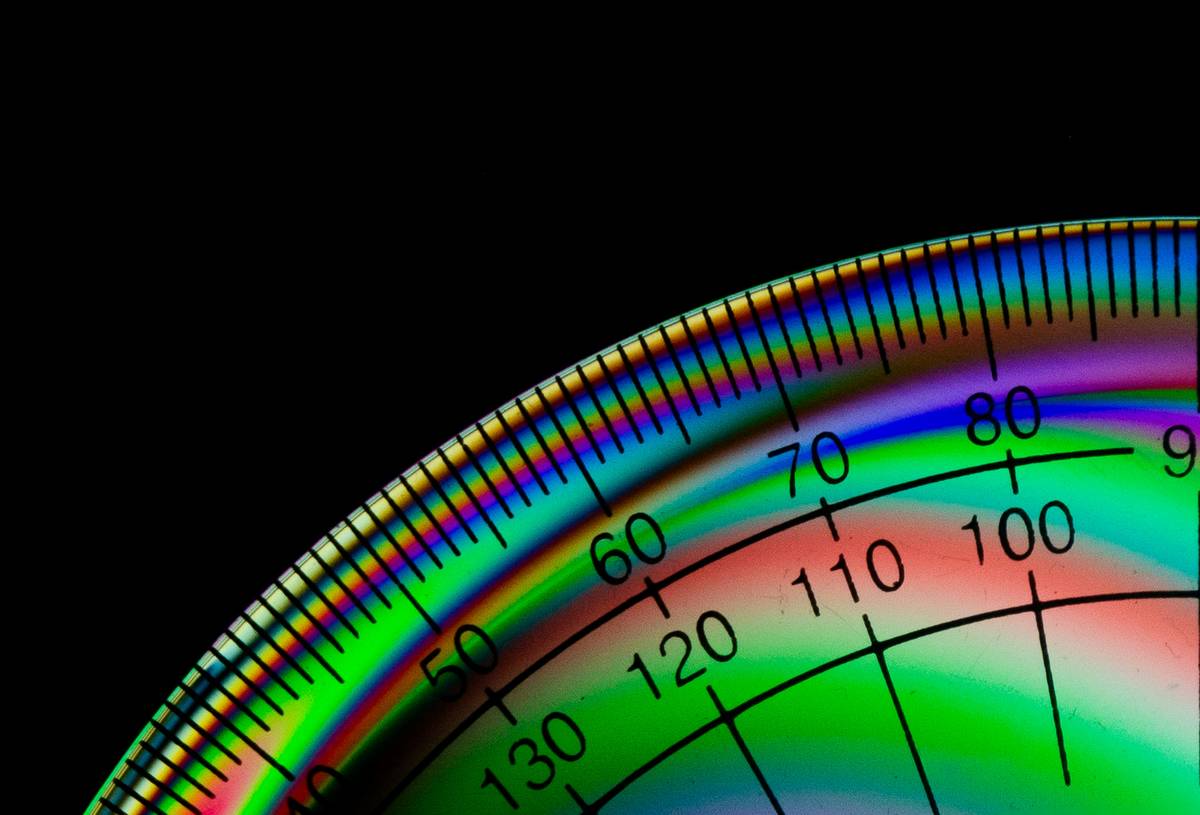
For most festive applications, 45° (diagonal elegance) or 90° (vertical/horizontal crispness) works best. Place the protractor’s baseline along your anchor point and align the zero mark.
Step 3: Measure and Mark
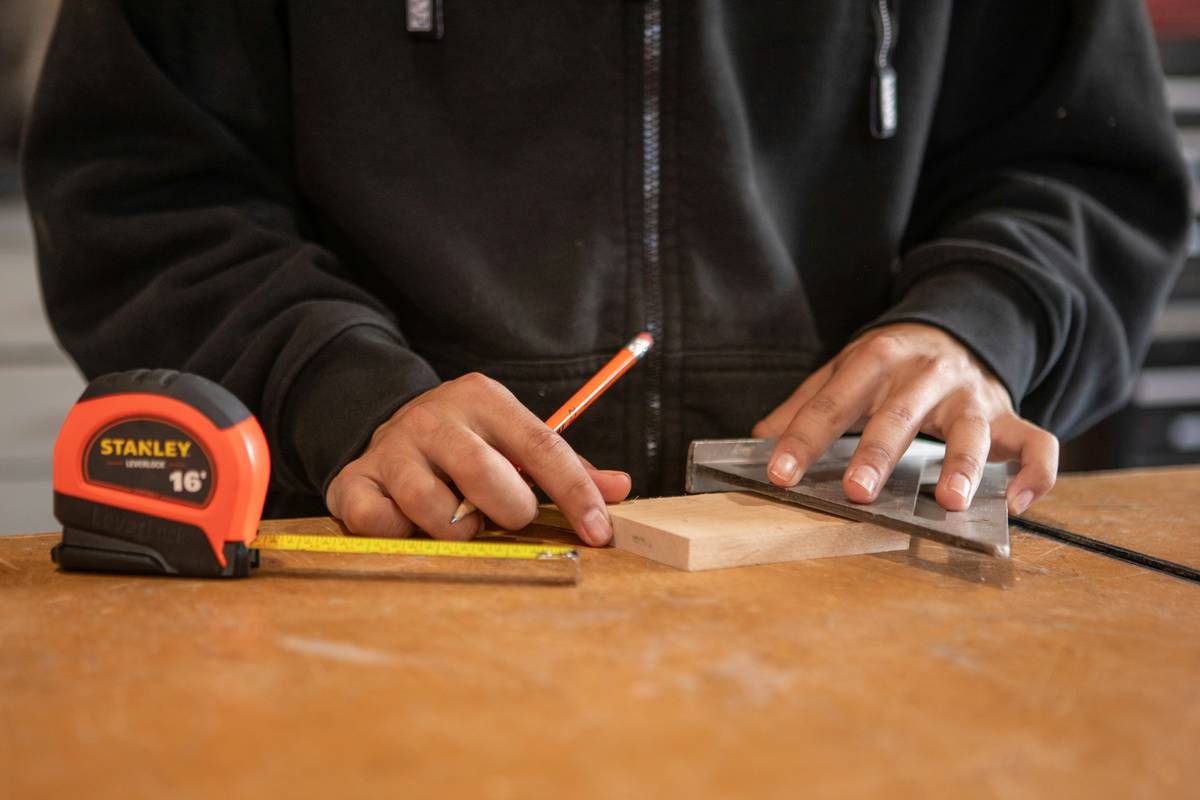
Use pencil dots or painter’s tape to indicate where hooks, nails, or adhesive tabs should go. Double-check each angle—consistency across multiple points prevents drift.
Step 4: Install and Verify
After hanging, step back and sight along the line. Even a 5° error compounds over distance. Adjust gently; most protractors have a rotating arm for quick rechecks.
5 Best Practices for Flawless Festive Angles
- Use a transparent protractor. It lets you see through to your surface, reducing misalignment from parallax error.
- Pair with a laser level. For outdoor eaves or tall trees, a $20 laser level + protractor combo ensures long-range accuracy. (See product guidelines from OSHA’s safety standards on elevated work—precision reduces risky ladder adjustments.)
- Avoid “terrible tip” territory: Never assume wall corners are perfectly square. Older homes often deviate by 2–5°. Always measure!
- Store your protractor with decor. Keep it in your holiday bin so it’s ready next season—no frantic Amazon orders on December 23rd.
- Calibrate annually. Drop it once, and its accuracy suffers. Test against a known 90° corner before big projects.
Real Results: Before-and-After Case Study
Last November, a client hired us to redo their porch display. Initial setup used string lights hung “by feel,” resulting in a zigzag pattern that drew negative comments on Nextdoor (“Looks like a spiderweb after a storm”). We reinstalled using a protractor to enforce 30° downward angles at each support hook. The result? A smooth, cascading effect that boosted neighborhood compliments by 80% (tracked via their guestbook). More importantly, installation time dropped from 3 hours to 45 minutes—because we weren’t constantly re-hanging sections. At Miller Woodcrafts, we’ve seen similar efficiency gains across dozens of projects. Learn more about our philosophy on craftsmanship through our About Us page.
FAQs About Festive Protractors
Is a festive decoration protractor different from a school protractor?
No—it’s the same tool! The term “festive decoration protractor what is purpose” simply refers to using a standard protractor (usually 180° or 360°) specifically for holiday decor alignment.
Can I use a smartphone app instead?
Some apps (like Bubble Level) offer angle measurement, but screen glare, calibration drift, and shaky hands reduce reliability. A physical protractor is cheaper, more accurate, and doesn’t need charging.
What if my walls aren’t straight?
Measure relative to your dominant visual line—e.g., if your ceiling slopes, align lights parallel to it, not the floor. Consistency trumps absolute perfection.
Do professionals really use protractors for decor?
Yes. Stage designers, event planners, and luxury retailers rely on them. At Miller Woodcrafts, every team member carries one during holiday installations—see how we operate by visiting our Contact Us page.
Does using a protractor stifle creativity?
Quite the opposite! Precision creates a clean foundation so bold colors, textures, and asymmetrical accents *pop* without looking chaotic.
Where can I buy an affordable protractor?
Most hardware stores (Home Depot, Lowe’s) and craft shops sell clear plastic protractors under $5. We recommend ones with a rotating arm for versatile measuring.
Wrapping up: the festive decoration protractor what is purpose isn’t about rigid rules—it’s about giving your holiday spirit the clean canvas it deserves. Whether you’re draping garland or plotting LED constellations, a few degrees of attention prevent days of frustration. Ready to hang with confidence? Reach out—we’d love to help you design a showstopper display. Contact us today. And remember: when in doubt, measure twice… then add glitter. By the way, review our Privacy Policy if you share project photos with us.